
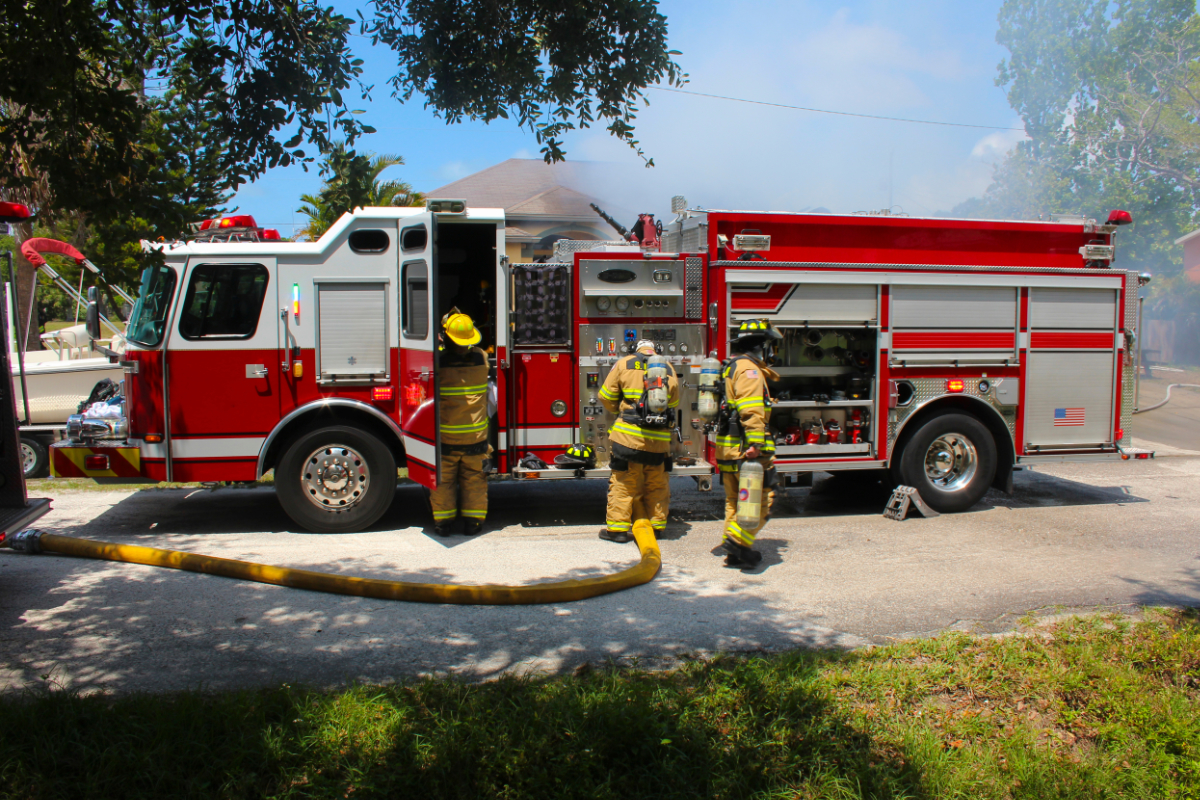
In today’s public safety environment, fire departments are expected to operate with precision, transparency, and efficiency. Central to achieving these goals is the adoption of modern fire RMS software that goes beyond basic documentation to become the digital backbone of departmental operations.
Centralizing Critical Data With Fire Department Records Management Software
A robust fire department records management software enables fire services to organize, store, and quickly retrieve critical operational data such as incident reports, personnel records, equipment inventories, and training logs. Traditional manual systems—paper files or disparate spreadsheets—inevitably lead to inefficiencies and increased administrative burden. By contrast, advanced software centralizes information into one accessible platform, supporting faster decision-making and streamlined workflows.
Improving Compliance and Accountability Through Advanced Fire RMS Solutions
One of the most vital benefits of implementing dedicated fire department records management software is improved record-keeping and compliance. Departments must comply with national reporting standards, including NERIS, and having accurate, easily verifiable records simplifies this process and reduces the risk of errors. Centralized reporting also enhances accountability, as leadership can quickly assess response times, maintenance logs, and training compliance—all essential for audit readiness and grant applications.
Enhancing Operational Efficiency Across Fire Department Teams
Efficiency gains also extend to daily operations. With a unified system, supervisors can allocate resources more effectively, track equipment readiness, and manage personnel schedules without redundant data entry or lost files. Better communication across teams reduces response times and enhances situational awareness during emergencies.
Supporting Long-Term Planning With Data-Driven Fire Records Management
Advanced fire RMS software fosters long-term planning. By aggregating historical data, departments can analyze trends to inform training programs, risk reduction strategies, and community safety initiatives. In essence, modern fire records management software is no longer optional—it is foundational to resilient, responsive, and data-driven fire service delivery.